
Whether you like your salmon as the centrepiece of a dish or as a subtle flavour within a dish, cooking it perfectly can be hard. From overcooking to removing the skin before cooking, it's easy to make mistakes.
With salmon so expensive at the supermarket, cooking it to perfection is key. Luckily, five chefs have exclusively shared their best salmon-cooking methods. Each has recommended their preferred method in order to achieve tender, juicy results.
Andrew Green, executive head chef at The Municipal Hotel & Spa Liverpool, said: "Cooking salmon for me is a touchy subject. I often go to so many restaurants and find that the salmon is almost certainly overcooked; this is usually because the chef has taken the fastest and easiest approach to cook it.
"It's easy to see when salmon is overcooked as the albumin coagulates and seeps out as a white, gooey substance. This is because the muscle fibres contract when cooking salmon at a high heat and push out the moisture."
According to Andrew, the best way to avoid this is to cook salmon at a lower heat for a longer period of time.
Andrew's method is to sous vide the salmon fillet in a good olive oil or fat at 50°C, usually taking around 30 to 45 minutes to create a tender and buttery fillet.
The chef continued: "To finish, you can always give a nice crust by blow torching the presentation side, which also adds a bit of charring flavour. If you avoid the seeping albumin, then you've certainly cracked it."
Will Hickton, head chef at The Club House in West Bexington, said: "The secret is to let the skin do the work. Score it, then cook the salmon almost entirely on that side with a touch of really good olive oil.
"About 90% of the cooking should be skin-side down so it crisps beautifully while the flesh stays tender. A quick flip at the end is all it needs - that way you keep the skin crisp and the centre perfectly pink."
James Golding, chef director at Rockwater, recommended poaching salmon to keep it nice and soft. The expert said: "Poaching the salmon not only keeps it soft, but infuses lots of flavour without being too complicated. You can infuse the water with flavours you prefer, but it's important to have some acidity, such as lemon in this case."
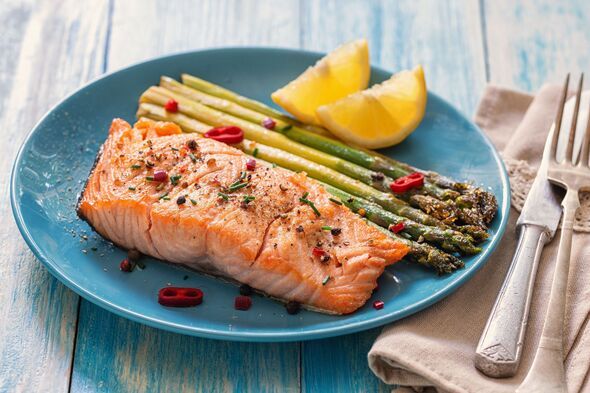
Mark McShane, founder of the Food Hygiene Certificate, said: "Poaching is one of the gentlest ways to cook salmon. It's a technique chefs often use when they want to highlight the fish's natural flavour.
"Simmering fillets in a broth of white wine, fennel, and herbs keeps the flesh tender and moist, preventing it from becoming tough.
"The fragrant herbs and vegetables give the salmon a delicate flavour, enhancing its sweetness rather than overpowering it."
The expert says that because poached salmon has such a tender texture, it works best with light pairings. Mark said a drizzle of herb sauce or a squeeze of lemon is usually enough to season the dish, adding freshness while letting the fish remain the centrepiece.
The expert added: "If cooked correctly, poaching results in salmon that flakes easily but retains its succulence, showing how a light touch in cooking can bring out the best in a simple ingredient."
Dean Harper, chef at Harper Fine Dining, also shared a great salmon-cooking method: searing the fish. He explained: "Searing salmon skin-side down in a hot pan is one of the simplest ways to add texture.
"The direct heat crisps the skin quickly, while contact with the pan melts the fat beneath it. Once the skin is golden and crisp, transfer the fillet to the oven so that the flesh cooks evenly without overcooking the surface.
"This method leaves the fish with contrasting textures, crunchy skin, and tender flesh. It also sets a base for sauces that complement rather than mask the flavour. A classic beurre blanc adds richness and acidity, while a citrus glaze lends freshness and cuts through the salmon's natural oiliness."
Dean said that each brings out a different side of the fish, but both are especially suited to salmon. According to the pro, they make a "simple fillet feel restaurant-worthy".
Contact to : xlf550402@gmail.com
Copyright © boyuanhulian 2020 - 2023. All Right Reserved.